
Why Bathroom Wall Waterproofing Is Essential
Table of Contents
- What Is Bathroom Wall Waterproofing?
- Why Bathroom Wall Waterproofing Is Essential
- Signs of Damp in Bathroom Walls
- Consequences of Water Damage and Seepage
- Waterproof Tanking Kits for Bathrooms: What They Do
- Benefits of Wet Wall Panels vs Tiles
- DIY vs Professional Waterproofing: Cost and Reliability
- Maintaining Your Waterproofed Bathroom
- Frequently Asked Questions
Last Updated: October 1, 2026
What Is Bathroom Wall Waterproofing?
Bathroom wall waterproofing applies protective barriers to prevent water from penetrating building materials, damaging structural elements, and creating conditions for mold growth. It uses sealants, membranes, adhesives, and specialized panels to create a moisture barrier that stops water ingress at its source, sitting between the water source (shower spray, condensation, splashing) and the vulnerable substrate beneath.
Water moves downward and sideways through any available path. Without proper waterproofing, moisture seeps into joints, grout lines, and substrate materials. Bathroom wall waterproofing creates a continuous, sealed surface that redirects water safely away from structural elements. Wetwall Wonders supplies modern wall panel solutions suited to different installation scenarios and budgets.
Why Bathroom Wall Waterproofing Is Essential
Water damage in bathrooms isn't a cosmetic issue. It's a structural threat that compounds over months and years, affecting everything from your home's resale value to the safety of the building itself. Understanding why waterproofing matters requires looking at what happens when it fails.
Protecting Structural Integrity
Water penetrating behind tiles, into grout, or through porous substrates weakens structural materials: wood joists rot, plasterboard disintegrates, and brick and concrete lose capacity. Hydrostatic pressure pushes moisture deeper into walls, especially in bathrooms with constant water exposure.
Proper bathroom wall waterproofing creates a vapor barrier that prevents water from reaching structural materials. A continuous membrane or sealed panel system costs a fraction of remediation, replacing rotted joists or rebuilding wall sections runs into thousands of pounds, while a waterproofing system costs significantly less and lasts decades.
Preventing Mold and Mildew
Moisture creates the environment where mold and mildew thrive. Both are health hazards, particularly for people with respiratory conditions, allergies, or compromised immune systems.
Waterproofing prevents the dampness that allows mold to establish. A dry wall surface is inhospitable to fungal growth. Modern bathroom wall panels and tanking systems are designed to remain hygienic and easy to clean, eliminating porous surfaces where mold colonies hide.
Safeguarding Home Value
A bathroom with visible water damage or mold is a red flag for surveyors and buyers. Properly waterproofed bathrooms signal high maintenance standards and command higher valuations.
Signs of Damp in Bathroom Walls
Identifying water damage early prevents catastrophic failure. Common warning signs include discoloration (dark patches or staining), soft or spongy plasterboard, peeling paint or wallpaper, visible mold or mildew spots, and a persistent musty odor. Seepage, water appearing on the wall surface or dripping from corners, indicates active water ingress and demands immediate attention.
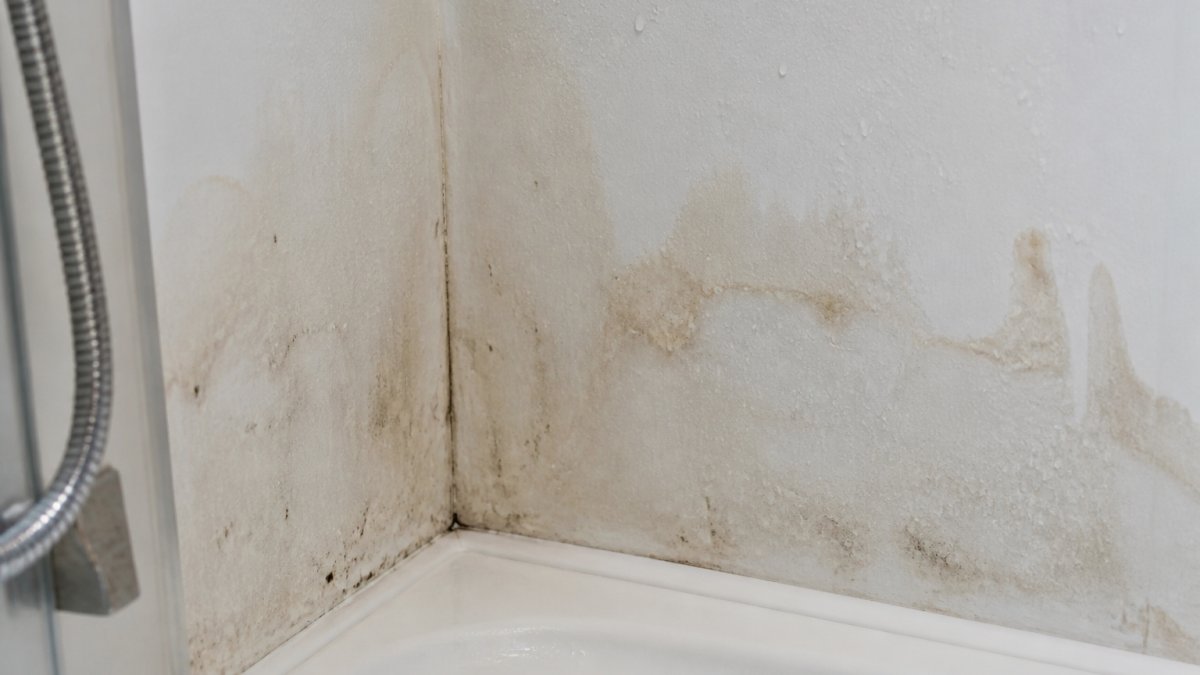
Pay attention to areas where water naturally pools: behind showers, above bathtubs, around basin taps, and near floor-to-wall junctions. These are the first places where waterproofing fails. Acting quickly prevents further deterioration and keeps repair costs manageable.
Consequences of Water Damage and Seepage
Water damage compounds rapidly and carries consequences far beyond visible deterioration. What starts as minor seepage becomes structural failure, health hazard, and financial liability within months if left unchecked.
Structural Deterioration and Repair Costs
Plasterboard absorbs water and crumbles within weeks of sustained moisture exposure. Wooden elements rot and lose load-bearing capacity. Concrete and brick develop efflorescence and can fail catastrophically. Replacing rotted joists or rebuilding wall sections costs £2,000-£8,000 depending on extent of damage.
Tiles loosen, cabinets warp, and electrical installations become hazardous. A waterproofing oversight becomes a full bathroom renovation costing £5,000-£15,000 or more.
Health Risks and Mold Remediation
Persistent dampness triggers mold colonies that spread through walls and contaminate air quality. Severe infestations require professional remediation costing £1,500-£5,000 and temporary relocation.
Insurance and Liability Implications
Most home insurance policies exclude damage resulting from poor maintenance, lack of waterproofing, or negligent installation.
If water damage results from inadequate waterproofing, insurers can deny claims entirely. You become liable for full remediation costs, which can exceed £10,000-£20,000. Surveyors look for soft plasterboard, mold, efflorescence, and deteriorated grout as red flags.
Water from your bathroom damaging a neighbour's property may result in liability claims. Buildings insurance may not cover neighbour damage if traced to negligence in maintaining waterproofing. Legal costs and settlements can reach £5,000-£15,000 or more.
Building Regulations in England (Part C) require bathrooms to be waterproofed to specific standards. Non-compliant waterproofing identified during sale surveys can result in buyer demands for remediation or withdrawal, creating legal liability.
Impact on Property Value and Saleability
Properties with documented water damage history can lose 5-15% of market value. A £300,000 property might sell for £255,000-£285,000. Waterproofing is one of the most cost-effective improvements you can make.
Long-Term Compounding Costs
Water damage accelerates. A small leak ignored for six months becomes a major structural problem requiring £8,000-£15,000 in repairs. Proper waterproofing at £1,000-£2,000 is a fraction of remediation costs.
Decorwall Elite Print- Arctic Grey- 2700mm x 250mm x 8mm →
Ignoring waterproofing is not a cost-saving strategy; it's a financial liability waiting to materialise. The consequences extend beyond your bathroom to your home's structure, your family's health, your insurance coverage, and your property's market value.
Waterproof Tanking Kits for Bathrooms: What They Do
Tanking systems are traditional waterproofing solutions that create a continuous sealed membrane using cementitious or liquid-applied products bonded to the substrate, forming a physical barrier against water ingress.
Tanking seals every surface, joint, and potential leak point without requiring removal of old tiles or plasterboard, making it useful for retrofitting older bathrooms.
Tanking requires skilled application; poor installation leaves weak points where water penetrates. It also requires regular maintenance and inspection. For many homeowners, the learning curve makes tanking less appealing than modern wall panels.
Benefits of Wet Wall Panels vs Tiles
Wet wall panels offer a different approach to bathroom waterproofing than tiles. Tiles rely on grout lines and adhesive, which are porous and degrade over time. Tiles can crack or shift, creating gaps where water seeps behind the surface. Maintenance is constant: regular regrouting, caulking, and inspection are necessary.
Wet wall panels eliminate these vulnerabilities by creating a continuous, seamless surface with no grout lines to fail. Water runs down and drains away. Panels are 100% waterproof by design, with joints sealed using specialized silicones and adhesives that remain flexible and watertight for years.
Panels install faster, require no grouting or curing time, and are easier to clean and maintain. A simple wipe-down keeps them hygienic. They don't harbor mold in grout lines or suffer aesthetic degradation. For homeowners seeking durability and low maintenance, panels represent a superior choice.
DIY vs Professional Waterproofing: Cost and Reliability
The decision between DIY and professional installation hinges on complexity, risk tolerance, and long-term cost. Understanding the true financial picture requires breaking down both the upfront investment and the hidden costs of failure.
Material Costs for DIY Waterproofing
Wall panel systems cost £150-£280 for eight boards. Adhesive, silicone sealant, and trim pieces add £40-£80. Total material cost: £190-£360.
Labour Costs and Installation Time
Professional installation costs £800-£1,500 for panel systems. Professionals complete work in 2-4 days; DIY takes 5-10 days for moderate experience.
Time investment carries hidden opportunity costs.
The Cost of Failure
A poorly installed tanking system with missed patches or inadequate curing allows water to penetrate within weeks. Water damage costs £2,000-£8,000 to remediate; mold remediation adds £1,500-£5,000. A failed DIY installation can cost 10-20 times more to fix than professional installation.
When DIY Makes Sense
DIY waterproofing is viable when you have construction experience, are installing modern wall panels in a bathroom with sound, dry substrate and no existing water damage, and the bathroom is small (under 5 square metres).
When Professional Installation Is Essential
Professional installation is the prudent choice when:
- Existing water damage, soft plasterboard, or mold is visible. A professional can assess substrate integrity and recommend remediation before waterproofing.
- You're installing tanking systems, which require precision, proper curing, and expertise in product selection.
- The bathroom is large, complex, or has unusual geometry (sloped ceilings, alcoves, multiple wet areas).
- You want warranty protection. Most professional installers offer 5-10 year warranties on labour and materials; DIY work carries no warranty.
- You cannot afford the time or the risk. The peace of mind and guaranteed outcome justify the cost.
For most homeowners, professional installation of a panel-based system costs £1,000-£1,500 total (materials and labour).
Maintaining Your Waterproofed Bathroom
Waterproofing isn't a one-time installation; it's an ongoing responsibility. Regular maintenance extends the life of your system and catches problems before they become serious. For panel-based systems, maintenance is minimal: clean surfaces regularly with mild soap and water, inspect seals and joints annually, and reseal any gaps that appear with appropriate silicone or adhesive.
| Waterproofing Method | Best For | Installation Time | Maintenance |
|---|---|---|---|
| Tanking (cementitious) | Retrofits, problem areas | 5-7 days (including cure) | Regular inspection, periodic resealing |
| Liquid-applied membrane | Complex shapes, corners | 3-5 days (including cure) | Annual inspection, patch repairs |
| Wall panels with adhesive | New installations, DIY | 1-3 days | Clean surfaces, reseal joints every 5-10 years |
| Tiles with waterproof grout | Traditional aesthetics | 5-7 days | Regular regrouting, caulking, mold prevention |
Frequently Asked Questions
What happens if I don't waterproof my bathroom walls?
Without proper waterproofing, water seeps behind walls, damaging the substrate, causing structural decay, and creating conditions for fungal growth and mold. This leads to costly repairs, potential health hazards, and a decline in home value. Water ingress can also affect adjacent rooms and compromise the integrity of your entire property over time.
How long does bathroom wall waterproofing last?
Quality waterproofing systems, including liquid-applied membranes and modern wet wall panels, typically last 10-15 years or longer with proper maintenance. The lifespan depends on the quality of materials used, installation standards, and how well you maintain seals and silicones. Regular inspection and prompt repairs to damaged sealant can extend protection significantly.
Is waterproofing mandatory for all bathroom renovations?
While not always legally compulsory for all renovations, Building Regulations in England require adequate moisture barriers in wet rooms and areas subject to regular water exposure. Any bathroom renovation involving new shower enclosures, wet rooms, or tiling should include waterproofing to prevent water damage, comply with standards, and protect your investment.
Can I use standard paint instead of waterproofing in a shower area?
No. Standard paint is not waterproof and will not prevent water ingress or protect against hydrostatic pressure in shower areas. Proper waterproofing requires dedicated membranes, sealants, and adhesives specifically designed for wet environments. Using inadequate products will lead to rapid failure, water damage, and mold growth behind your walls.

