
Top 10 Bathroom Renovation Mistakes to Avoid
Table of Contents
- 1. Underestimating Your Budget and Missing Contingency
- 2. Ignoring Ventilation and Moisture Control
- 3. Poor Planning for Storage and Layout Efficiency
- 4. Choosing Style Over Functional Design
- 5. Incorrect Tile Selection and Grout Issues
- 6. Bathroom Wall Panels vs Tiles: Making the Right Choice
- 7. Relocating Plumbing Fixtures Without Planning
- 8. Ignoring Lighting Design and Electrical Safety
- Frequently Asked Questions
Last Updated: September 30, 2026
1. Underestimating Your Budget and Missing Contingency
Among the most common bathroom renovation mistakes is failing to set aside a realistic budget with adequate contingency. Homeowners often focus on the cost of materials and labour, then discover halfway through that unexpected issues, structural damage, hidden plumbing problems, or code compliance work, have blown the project off track.
A practical approach is to estimate your total project cost, then add 15-20% on top for contingencies. This buffer absorbs surprises without forcing you to compromise on quality or halt the work mid-project. Without it, you'll face difficult choices: cut corners on finishes, delay completion, or dip into savings that weren't earmarked for the job.
Budget mistakes also stem from underpricing labour. Professional installation takes longer than many homeowners anticipate, especially when working around existing fixtures or dealing with older properties where walls may not be perfectly square. Get multiple quotes from experienced fitters and factor in their full timeline, not just the material costs.
Realistic budgeting also means understanding what drives costs in your specific situation. A small ensuite renovation will have different labour costs than a full family bathroom overhaul. Layout changes and plumbing relocation (covered in mistake #7) add significant expense. Tile selection and wall panel choices also vary widely in price, a decision covered in mistakes #5 and #6.
| Budget Planning Step | Typical Action | Why It Matters |
|---|---|---|
| Estimate materials | Price all tiles, panels, fixtures, adhesives | Forms the baseline cost |
| Add labour costs | Get quotes from 2-3 installers | Labour often exceeds material costs |
| Include contingency | Add 15-20% buffer | Protects against hidden surprises |
| Plan for permits | Budget for building regulation compliance | Overlooking this causes costly delays |
| Review total | Compare against available funds | Prevents mid-project funding crises |
2. Ignoring Ventilation and Moisture Control
Ventilation and moisture control are the foundation of a bathroom that lasts. Without proper ventilation, moisture becomes trapped, leading to mould, mildew, structural rot, and damage to walls and fixtures. This mistake often goes unnoticed until damage is severe, and expensive to repair.
The key principle is simple: moisture must be removed from the bathroom as soon as it's created. An extractor fan should run during and for at least 20 minutes after a shower or bath. If your bathroom lacks an extractor fan, installing one is a priority before you renovate. Poor ventilation will destroy even the best wall finishes within months.
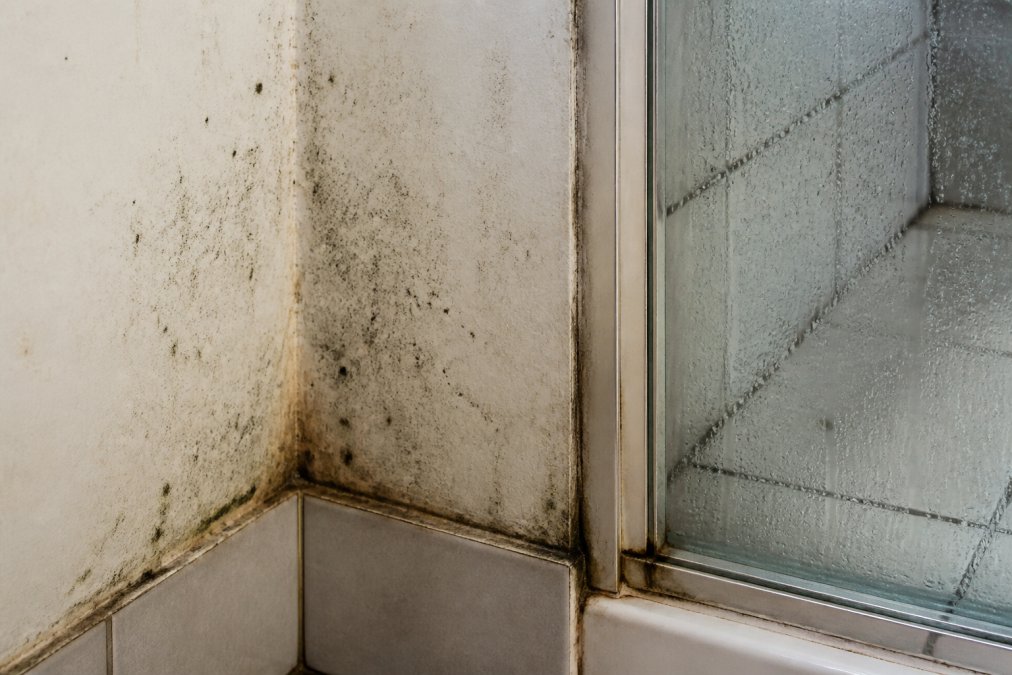
Moisture control also extends to the materials you choose. Wall panels like those offered by Wetwall Wonders are specifically designed to resist moisture and prevent water ingress behind the surface. Unlike traditional tiles with grout lines that can trap water, modern wall panels create a sealed barrier that stops moisture penetration at the source. This is why they've become a preferred choice for high-moisture areas like showers and wet rooms.
Proper ventilation works alongside material selection. Even moisture-resistant panels need air circulation to prevent condensation buildup. Install an extractor fan with a humidity sensor if possible, these activate automatically when moisture levels rise, ensuring consistent moisture control without manual intervention.
3. Poor Planning for Storage and Layout Efficiency
Bathrooms feel cramped when storage is inadequate and layout is inefficient. Many renovations fail to address this until it's too late, cabinets are installed in awkward positions, there's nowhere to store toiletries, and the space feels smaller than it actually is.
Start by assessing what you need to store: towels, toiletries, cleaning supplies, medications, hair tools, and anything else specific to your household. Then plan storage solutions that are accessible and don't obstruct movement. A vanity unit with drawers and shelving provides far more usable storage than a pedestal sink, even in small spaces.
Layout efficiency means understanding how people move through the bathroom. The shower, toilet, and sink should be positioned to avoid congestion. In a small ensuite, a corner-mounted toilet or a compact vanity unit can free up valuable floor space. Consider the swing of the door, it shouldn't block access to the toilet or shower.
Wall panels offer a practical advantage here. Because they're installed directly onto existing walls without grout lines or tile joints, they create a cleaner, less cluttered visual appearance. This makes even small bathrooms feel more spacious and organised. The smooth, seamless finish also makes cleaning easier and provides more usable wall space for shelving or storage solutions.
Decorwall Panel Adhesive pro (310 ml) →
4. Choosing Style Over Functional Design
The most appealing bathroom design means nothing if it doesn't work for daily use. Many homeowners fall into the trap of prioritising aesthetics, trendy colours, luxury finishes, statement lighting, without considering whether the design actually functions.
Functional design starts with the basics: adequate lighting for grooming, non-slip flooring in wet areas, accessible storage at comfortable heights, and a layout that doesn't force you to squeeze past fixtures. A beautiful bathroom that's awkward to navigate or impossible to clean defeats its purpose.
This doesn't mean sacrificing style. Modern wall panels like Dumawall tile effects offer the aesthetic appeal of tiled finishes, with patterns and colours that match current design trends, while delivering superior functionality. They resist moisture, require minimal maintenance, and install faster than traditional tiles.
5. Incorrect Tile Selection and Grout Issues
If you're choosing traditional tiles, material selection and grout quality are critical. The wrong tile can be slippery, porous, or prone to cracking. Poor grout application leads to water penetration, mould, and structural damage.
6. Bathroom Wall Panels vs Tiles: Making the Right Choice
The choice between wall panels and tiles fundamentally affects your bathroom's durability, maintenance, and longevity. Each has distinct advantages, and understanding the differences prevents costly mistakes.
| Feature | Traditional Tiles | Wall Panels |
|---|---|---|
| Moisture resistance | Grout lines trap water | Seamless, fully waterproof |
| Maintenance | Regular grout sealing required | Minimal, wipe clean |
| Installation time | 3-5 days for average bathroom | 1-2 days |
| Repair costs | Often require full section replacement | Spot repairs possible |
| Lifespan | 10-15 years (if grout maintained) | 15-20+ years |
| Aesthetic variety | Wide range of colours and patterns | Growing range including tile effects |
7. Relocating Plumbing Fixtures Without Planning
Building regulations also apply to plumbing changes. New drainage must be properly vented, and water supply lines must meet current standards. Skipping this compliance work creates safety hazards and makes your home harder to sell.
8. Ignoring Lighting Design and Electrical Safety
Poor lighting makes a bathroom feel dingy and unsafe. Inadequate task lighting around the mirror leads to poor grooming and accidents. Insufficient ambient lighting creates shadows and makes the space feel smaller. Yet many renovations treat lighting as an afterthought, installing a single overhead fixture and calling it done.
Frequently Asked Questions
What are the most common bathroom renovation mistakes homeowners make?
The most regretted mistakes include underestimating budgets without contingency (leaving no buffer for unexpected costs), poor ventilation that leads to mould, insufficient storage planning, and choosing aesthetics over functional design. Many homeowners also skip proper waterproofing, ignore building regulations, and relocate plumbing without understanding the full cost implications. Starting with a realistic budget, detailed layout plan, and compliance checklist prevents most of these costly errors.
Is it better to use bathroom wall panels or tiles for a renovation?
Wall panels offer faster installation, better moisture control when properly sealed with products like GP200 General Purpose Silicone Sealant, and lower long-term maintenance. Tiles require skilled grouting and are prone to grout line deterioration and water penetration if not sealed correctly. Panels come in various styles including Dumawall tile effects, giving you aesthetic choice with practical benefits. For DIY projects and tight timelines, panels are typically easier and more forgiving than traditional tile work.
What bathroom renovation building regulations do I need to follow?
Building regulations in your area govern ventilation (typically requiring mechanical extraction in bathrooms without windows), electrical safety (socket placement, IP ratings for moisture zones), waterproofing standards, and accessibility requirements. You may need Building Control approval for structural changes, plumbing relocation, or electrical work. Check with your local authority before starting, failure to comply can affect insurance claims and property resale value. Professional installers familiar with current regulations can guide you through requirements.
How long should a bathroom renovation actually take?
A typical bathroom renovation timeline spans 4-8 weeks depending on scope. Simple updates using wall panels may take 2-3 weeks; full renovations with plumbing relocation and tiling can stretch to 12 weeks. Delays often occur due to Building Control inspections, material delivery, or unexpected structural issues discovered during demolition. Plan for contingency time and confirm timelines with your installer upfront. Using pre-fabricated solutions like wall panels can reduce your overall renovation timeline significantly.
How do I prevent water damage and mould behind bathroom wall panels?
Proper waterproofing is essential. Use quality silicone sealants like GP200 General Purpose Silicone Sealant (which contains fungicide and is mould resistant) to seal all joints, edges, and around fixtures. Ensure adequate ventilation through an extractor fan running during and after showers. Apply adhesives correctly, products like Decorwall Panel Adhesive Pro create a strong bond in just 1 hour and cure fully in 24 hours, preventing moisture penetration. Seal the subfloor before installation and use proper corner trims to eliminate gaps where water can enter.

