
Durable Wall Panels for Commercial Bathrooms: Ultimate Guide
Table of Contents
- Why Durable Wall Panels Matter in Commercial Bathrooms
- Material Types: Which Panels Suit Your Space
- Hygienic Wall Cladding Installation: Process and Best Practices
- Commercial Bathroom Wall Panel Cost: Budgeting and Value
- Fire Rated Wall Panels for Washrooms: Regulatory Requirements
- Moisture Resistance, Durability, and Long-Term Performance
- Sustainability and Environmental Considerations
- Comparison Table: Panel Types and Applications
- Key Takeaways for Commercial Bathroom Planners
- Frequently Asked Questions
Last Updated: September 2, 2026
Why Durable Wall Panels Matter in Commercial Bathrooms
Commercial bathrooms face relentless punishment. Moisture, impact, constant cleaning, and heavy foot traffic test every surface. Traditional tiling requires grout maintenance, harbours mould, and cracks under stress. Durable wall panels for commercial bathrooms solve these problems with a single installation.
The real advantage isn't just durability, it's total cost of ownership. A commercial bathroom refurbished with quality panels avoids the expensive cycle of grout replacement, tile repairs, and mould remediation that plagues tiled spaces. Panels install faster, clean easier, and last longer without specialist maintenance.
At Wetwall Wonders, we offer a comprehensive selection of high-quality wall panels, shower enclosures, and bathroom essentials designed to transform your space. The difference between a panel that lasts five years and one that performs for fifteen comes down to material selection, installation method, and understanding your specific environment.
This guide covers everything commercial bathroom planners, facility managers, and installers need to know: material types, installation processes, regulatory requirements, and long-term performance metrics. Whether you're refurbishing a gym, office, healthcare facility, or hospitality space, the right durable wall panels for commercial bathrooms eliminate the hidden costs of traditional finishes.
Material Types: Which Panels Suit Your Space
The panel material you choose determines durability, hygiene standards, installation speed, and total cost. Each material category offers distinct advantages for different commercial environments.
PVC and High-Pressure Laminate Panels
PVC (polyvinyl chloride) panels represent a hygienic option for commercial washrooms. They're 100% waterproof, non-porous, and resist bacterial growth, critical for healthcare facilities, gyms, and food service areas. High-pressure laminate (HPL) panels offer similar water resistance with superior impact protection and aesthetic range.
The British Standards Institution guidance on hygienic surfaces emphasises that seamless, non-porous finishes are essential in high-traffic commercial environments. PVC and HPL panels eliminate grout lines entirely, preventing the mould and bacterial harbours that plague tiled bathrooms.
PVC panels like the Kerradeco Stone Grey (£209.00 per pack) deliver premium aesthetics with practical benefits. Each pack covers 3.186 m², with boards measuring 1350mm × 295mm × 9mm. The panels install in hours rather than days, and cleaning requires only warm water and mild detergent.

HPL panels perform better in high-impact areas, changing rooms, sports facilities, industrial washrooms. They resist denting and scuffing that would mark softer PVC. Both materials are fire-rated, meeting building regulations for commercial spaces.
:::pro-tip PVC panels excel in moisture-heavy environments (showers, steam rooms, wet areas). HPL panels suit high-traffic zones where impact resistance matters more than absolute water impermeability. :::
Wood Plastic Composite and MDF Options
Wood plastic composite (WPC) panels blend timber aesthetics with moisture resistance. They're lighter than traditional wood, won't rot or swell, and deliver a warmer visual finish than pure plastic. The Hardex Solid Wall Panel (£126.00) exemplifies this category, available in 8 colours, 2.4m long, 1220mm wide, with solid construction suitable for bathrooms, offices, and restaurants.

MDF (medium-density fibreboard) panels offer budget-friendly solutions but require careful specification. Standard MDF absorbs moisture and fails in wet environments. Moisture-resistant MDF (MR-MDF) performs better but still doesn't match PVC or HPL in commercial washrooms. MDF works for accent walls or dry areas adjacent to bathrooms, not direct shower or washroom zones.
WPC panels cost more than MDF but deliver genuine durability. They resist warping, won't delaminate under moisture stress, and maintain appearance over years of use. For commercial operators balancing cost and longevity, WPC offers a practical middle ground.
Hygienic Wall Cladding Installation: Process and Best Practices
Professional installation separates a five-year panel life from a fifteen-year one. Moisture ingress behind panels causes the most common failures. Proper technique prevents this entirely.
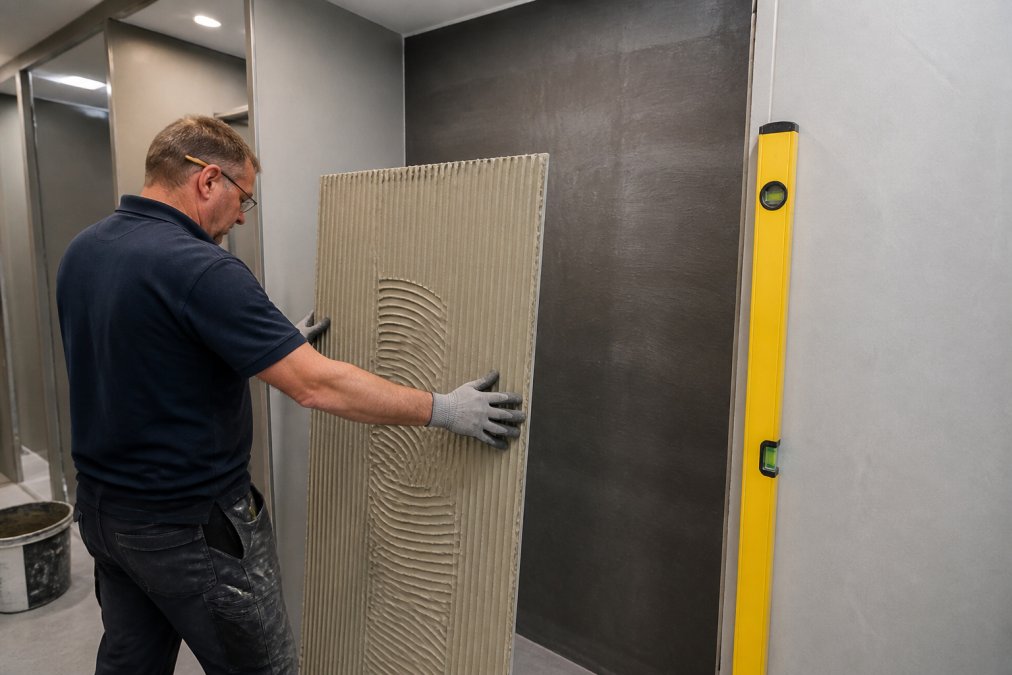
The installation process follows a strict sequence. First, the substrate must be clean, dry, and level, any moisture or debris behind panels creates failure points.
Second, adhesive application matters enormously. Panels require full-coverage adhesive (not just perimeter beads). Gaps allow moisture to migrate behind the panel, where it breeds mould and causes delamination. Silicone sealant at joints creates a waterproof seal that prevents water ingress between panels.
Third, panel alignment prevents visual gaps and ensures structural integrity. Most commercial installations use spirit levels and temporary supports during cure time. Rushing this step creates visible misalignment that looks unprofessional and can trap moisture at panel edges.
The Decorwall range (available from Wetwall Wonders) features tongue-and-groove designs that simplify alignment. The Decorwall Maxi Panel in Beige Marble (£54.00) and Antique Marble variant (£54.00) both feature this system, with 5-year guarantees and UK fire ratings included.

Installers often ask about trim selection. Internal corners need corner trims; external corners need protective edge trims. Wetwall Wonders supplies the full range of adhesives and silicones required.
Commercial Bathroom Wall Panel Cost: Budgeting and Value
Cost analysis for durable wall panels for commercial bathrooms requires looking beyond material price. Total cost of ownership includes installation labour, maintenance over time, and replacement cycles.
Material costs vary significantly by type. PVC panels range from £40 to £250 per m², depending on finish quality and brand. HPL panels typically cost £60 to £200 per m². WPC panels fall between £50 and £180 per m². MDF panels are cheapest at £20 to £60 per m² but require replacement sooner.
Installation labour typically costs £30 to £60 per m² for commercial work, depending on complexity and site access. A 10 m² commercial bathroom might cost £400 to £1,200 in labour alone. This is where panel choice becomes critical, panels that install in hours reduce labour cost dramatically compared to traditional tiling.
Maintenance costs separate good choices from poor ones. Tiled bathrooms require regular grout cleaning, mould treatment, and occasional tile replacement. Durable wall panels require only regular cleaning, no specialist treatment needed.
Wetwall Wonders pricing reflects genuine value. The Hardex Solid Wall Panel at £126.00 per panel, or Kerradeco Stone Grey at £209.00 per pack, represents mid-range commercial specification. These aren't budget options, but they're not premium either, they're engineered for commercial durability.
A common mistake is comparing panel cost directly to tile cost. Panels cost more per m² than basic tiles but less than premium tiles. The real comparison is panel cost plus installation plus ten years of maintenance versus tile cost plus installation plus ten years of grout treatment and repairs. Over that timeframe, panels can offer financial advantages.
Fire Rated Wall Panels for Washrooms: Regulatory Requirements
Building regulations in the UK require fire-rated materials in commercial bathrooms. The relevant standard is BS 9414 (fire performance of materials used in building work) and the Building Safety Act 2022, which governs materials in certain building types.
The UK Building Regulations Technical Guidance specifies that materials in commercial buildings must achieve specific fire classifications. Most commercial bathrooms require materials to be European Classification B-s1, d0 or better (limited smoke and flaming droplets).
PVC and HPL panels can meet these requirements when properly specified. This is why specifying fire-rated panels matters, it's not optional for commercial installations, it's a legal requirement.
Both the Decorwall Maxi Panel variants include UK fire ratings. The Antique Marble version explicitly notes "UK fire rating for added safety." This means the panels have been tested and certified to meet building regulation requirements.
Commercial operators must verify fire certification before installation. Wetwall Wonders supplies fire-rated panels specifically to meet this requirement.
Healthcare facilities, care homes, and hospitality venues face particular scrutiny. These buildings often require higher fire performance standards. Specifying fire-rated panels from the outset prevents costly remediation later.
Moisture Resistance, Durability, and Long-Term Performance
Moisture resistance determines whether panels last five years or fifteen. The difference comes down to material composition and installation technique.
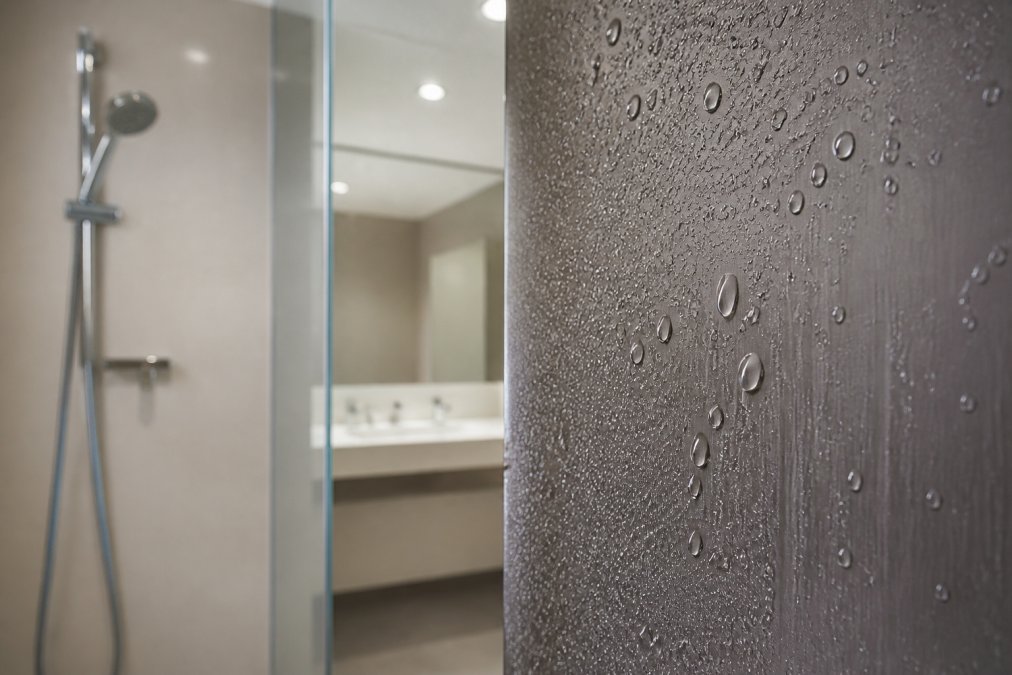
PVC panels are 100% waterproof. Water cannot penetrate the material itself. HPL panels are water-resistant but not waterproof, they resist moisture but aren't designed for constant water contact. This distinction matters for shower enclosures versus general washroom walls.
The key to long-term performance is preventing water from getting behind panels. This is where installation quality becomes critical. Proper substrate preparation, full-coverage adhesive, and silicone sealing at joints create a moisture barrier that protects the panel system.
Panels in high-traffic areas experience different stress patterns than static installations. A gym shower wall endures constant moisture, temperature fluctuation, and impact from users. A washroom wall in an office experiences moisture from hand-washing but less extreme stress. Specifying the right material for the actual environment prevents premature failure.
Wear resistance matters in high-traffic zones. HPL panels resist scuffing and denting better than PVC. PVC panels resist moisture better than HPL. The right choice depends on whether moisture or impact poses the greater risk.
Most quality commercial panels maintain appearance and function for 12-15 years in typical washroom environments. Panels in extreme conditions (industrial washrooms, steam rooms) may require replacement sooner. Panels in low-stress areas often exceed 20 years.
Sustainability and Environmental Considerations
Commercial bathroom decisions increasingly factor in environmental impact. Panel materials vary significantly in sustainability profile.
PVC panels raise environmental concerns due to chlorine content and manufacturing processes. However, PVC is recyclable, and modern manufacturing has reduced environmental impact compared to older methods. Panels that last 15 years create less waste than tiles requiring replacement every 8-10 years.
HPL panels are made from wood-based substrates with resin binders. Specifying FSC-certified HPL panels ensures timber comes from responsibly managed forests. The Forest Stewardship Council certification standards verify sustainable forestry practices.
WPC panels blend recycled plastic with wood fibres, often incorporating post-consumer waste. This makes WPC an increasingly popular choice for environmentally conscious operators. The material diverts plastic waste from landfills while reducing new timber demand.
MDF panels are made from wood waste, sawdust and offcuts from timber processing. This makes MDF a recycling success story from a waste perspective. However, MDF's short lifespan means more frequent replacement, which offsets environmental benefits.
The most sustainable choice often isn't the material with the lowest carbon footprint per unit, but the material that lasts longest before replacement. A PVC panel lasting 15 years creates less lifetime waste than an MDF panel lasting 6 years, even if MDF is theoretically "greener."
:::pro-tip Specify durable panels with long warranties (10+ years) to maximise environmental benefit. A panel that lasts 15 years can be a better choice than a cheaper one lasting 6 years from both cost and sustainability perspectives. :::
Comparison Table: Panel Types and Applications
| Panel Type | Best For | Moisture Rating | Fire Rating | Cost Range | Lifespan |
|---|---|---|---|---|---|
| PVC (e.g., Kerradeco) | Showers, wet areas, healthcare | 100% waterproof | B-s1, d0 | £150-250/pack | 12-15 years |
| HPL | Offices, changing rooms, impact zones | Water-resistant | B-s1, d0 | £100-200/pack | 12-15 years |
| WPC (e.g., Hardex) | General bathrooms, offices, restaurants | Moisture-resistant | Varies | £100-150/pack | 10-12 years |
| MDF (standard) | Accent walls, dry areas only | Poor | Variable | £30-80/pack | 5-8 years |
Key Takeaways for Commercial Bathroom Planners
Durable wall panels for commercial bathrooms deliver genuine advantages over traditional tiling when specified correctly. Material choice determines performance, PVC for moisture-heavy environments, HPL for impact zones, WPC for balanced performance, MDF only for non-wet areas.
Installation quality separates successful projects from failures. Proper substrate preparation, full-coverage adhesive, and silicone sealing create moisture barriers that prevent water ingress and panel delamination.
Fire-rated panels aren't optional, they're a legal requirement in commercial buildings. Verify certification before installation to avoid regulatory liability.
Cost analysis must include maintenance over time. Panels can offer long-term savings in maintenance compared to tiled bathrooms requiring grout treatment and repair.
Wetwall Wonders supplies the full range of materials and accessories needed for professional installations. The Kerradeco Stone Grey delivers premium PVC performance, the Hardex Solid Wall Panel offers versatile WPC solutions, and the Decorwall Maxi Panel range provides fire-rated options with 5-year guarantees. All include the adhesives and silicones required for proper installation.
Frequently Asked Questions
Q: What makes durable wall panels better than ceramic tiles for commercial bathrooms?
A: Wall panels are grout-free, which eliminates mould growth and reduces maintenance time significantly. They're non-porous, so moisture cannot penetrate behind them like it can with grout lines. Installation is faster, and they're impact-resistant, making them ideal for high-traffic commercial areas. Panels also offer seamless finishes with no sharp edges, improving safety and hygiene standards.
Q: How much do commercial bathroom wall panels typically cost compared to tiles?
A: Durable wall panels range from £22 to £209 per pack depending on material and coverage. For example, Decorwall Elegance panels start at £22, while premium Kerradeco Stone Grey panels are £209. Installation costs can be lower because panels may require fewer specialist tools and labour hours. Total project costs can often match or undercut tiling when you factor in labour savings, adhesives, and maintenance expenses over five to ten years.
Q: Are wall panels for commercial bathrooms fire-rated, and what regulations apply?
A: Yes, many commercial wall panels meet UK fire safety standards. Products like Decorwall Maxi Panels carry UK fire ratings suitable for commercial buildings. Building Regulations require washroom materials to achieve specific fire performance classifications. When selecting panels, verify the fire rating certificate matches your building's classification requirements. This is especially important in offices, healthcare facilities, and leisure centres where fire safety is strictly enforced.
Q: Can I install wall panels myself, or do I need a professional fitter?
A: Most modern panels use tongue-and-groove or adhesive systems designed for DIY installation. Homeowners can install them with basic tools and patience, though tight spaces (like narrow ensuites) benefit from professional fitting to avoid seams and gaps. Small bathroom fitters find panels faster to install than tiles, reducing labour costs for clients. Wetwall Wonders supplies all necessary adhesives, silicones, and trims, so you have everything in one order.
Q: How do I prevent water damage and mould behind wall panels?
A: Proper installation is key: apply waterproof adhesive and silicone sealant to all joints and edges. Panels must be installed on a dry, stable substrate, moisture behind panels can cause bubbling and peeling. Use quality silicones rated for wet environments, and ensure ventilation is adequate to manage humidity. Panels like Kerradeco are 100% waterproof, and their non-porous surface prevents moisture ingress. Regular cleaning with mild detergent keeps surfaces hygienic and extends lifespan.
Q: What panel thickness and width should I choose for my commercial bathroom?
A: Panel thickness typically ranges from 8mm to 10mm, thicker panels offer better durability in high-impact areas. Width options include 250mm, 300mm, 500mm, and 900mm panels. Narrower panels (250-300mm) work well in tight spaces and reduce waste, though they require more joins. Wider panels (900mm) cover larger areas faster and create fewer seams, ideal for open washrooms. Match width to your wall dimensions to minimise cutting and waste.
Q: Do you supply all installation materials, or will I need to order trims and adhesives separately?
A: Wetwall Wonders provides a complete solution: panels, adhesives, silicones, and trims are all available in one place. This eliminates the hassle of sourcing materials from multiple suppliers and ensures compatibility between products. For commercial projects requiring consistent stock and quick turnaround, this single-source approach simplifies procurement and reduces project delays.
Commercial bathroom refurbishment requires balancing durability, hygiene, cost, and regulatory compliance. The right durable wall panels for commercial bathrooms achieve all four simultaneously. Get started with Wetwall Wonders and specify panels engineered for commercial environments, with fire ratings, moisture protection, and installation accessories included.
This article was written using GrandRanker

