
Bathroom Wall Paneling Maintenance Tips
Table of Contents
- Daily Cleaning Routine for Bathroom Wall Panels
- Best Cleaning Products for Bathroom Panels
- Preventing Mould on Shower Wall Panels
- Removing Limescale and Water Spots
- Maintaining Silicone Sealants and Joints
- Repairing Scratches on Bathroom Wall Panels
- What to Avoid: Protecting Your Panel Finish
- Long-Term Panel Care and Durability
- Frequently Asked Questions
Last Updated: August 31, 2026
Daily Cleaning Routine for Bathroom Wall Panels
A quick wipe-down after showers prevents water spots, soap residue, and buildup that becomes difficult to remove later. Your daily routine takes less than two minutes: use a soft microfiber cloth or non-abrasive sponge with warm soapy water, wiping in the direction of seams and paying attention to corners where water pools. The goal is prevention, not perfection.
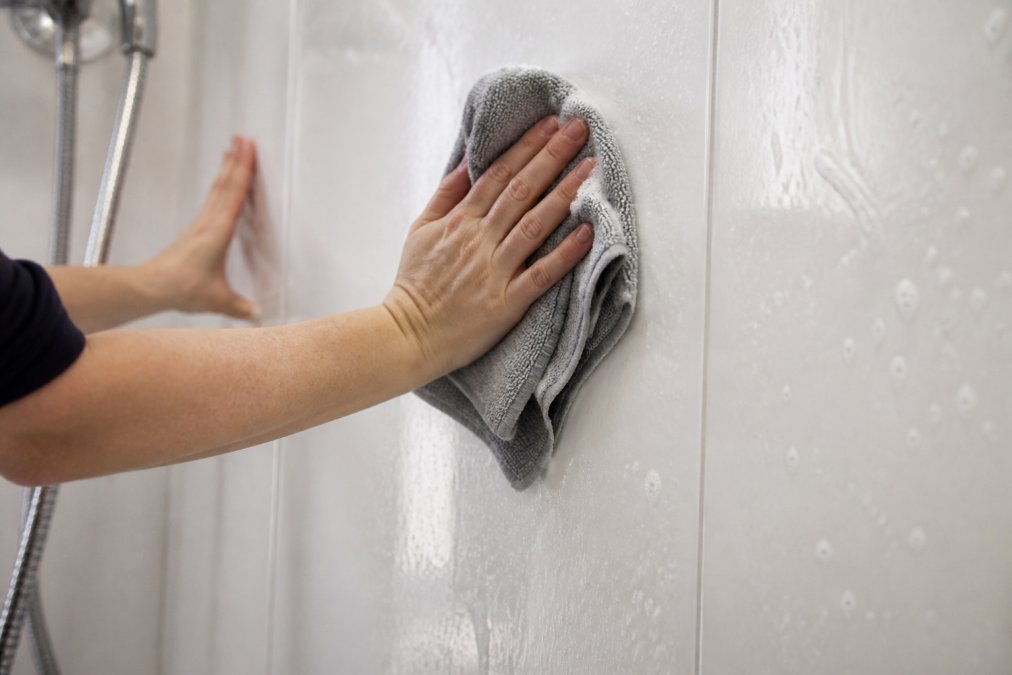
Dry the panels immediately with a clean cloth. This eliminates water spots entirely. If left wet, mineral deposits crystallise on the surface, creating stubborn limescale that requires stronger cleaning methods later. In hard water areas, this matters even more.
The weekly deep clean
Once a week, work methodically across all surfaces using the same mild detergent solution. Pay special attention to silicone sealants around joints and corners, where mould begins. Use a soft brush on sealant lines with gentle pressure. Never scrub the panel surface itself with anything abrasive.
Rinse thoroughly with clean water after washing, then dry completely. This removes detergent residue and leaves panels noticeably cleaner and brighter.
Best Cleaning Products for Bathroom Panels
Mild detergents are your safest bet for regular cleaning. Washing-up liquid diluted with warm water cleans effectively without harming the panel surface or sealants. For stubborn soap scum or light limescale, equal parts white vinegar and warm water works well. Spray it on, let it sit for 5-10 minutes, then wipe and rinse thoroughly.
For heavier limescale buildup, use a pH-neutral bathroom cleaner designed for non-porous surfaces. Look for products labelled as safe for acrylic, PVC, or composite panels. Always test any new product on a small, inconspicuous area first before applying it to visible surfaces.
Wetwall Wonders stocks everything you need to maintain your panels properly. Our Decorwall Panel Adhesive Pro (310 ml) at £9.00 and Decorwall Megabond Adhesive (295 ml) at £9.00 are essential for any repairs or reinstallation work, ensuring your panels stay secure and waterproof for years.


Preventing Mould on Shower Wall Panels
Mould thrives in damp environments with poor air circulation. Run your bathroom extractor fan during and for at least 20 minutes after every shower. If your bathroom lacks an extractor fan, open a window wide immediately after showering. This temperature drop and air movement make the environment hostile to mould growth.
Keep silicone sealants and joints dry. Mould grows in gaps where moisture sits undisturbed, not on the panel surface itself. After your daily wipe-down, pay specific attention to drying sealant lines thoroughly. The GP200 General Purpose Silicone Sealant (Pack of 3) at £24.00 includes fungicide in its formula, providing built-in mould resistance. If existing sealants show early signs of mould, replace them promptly.

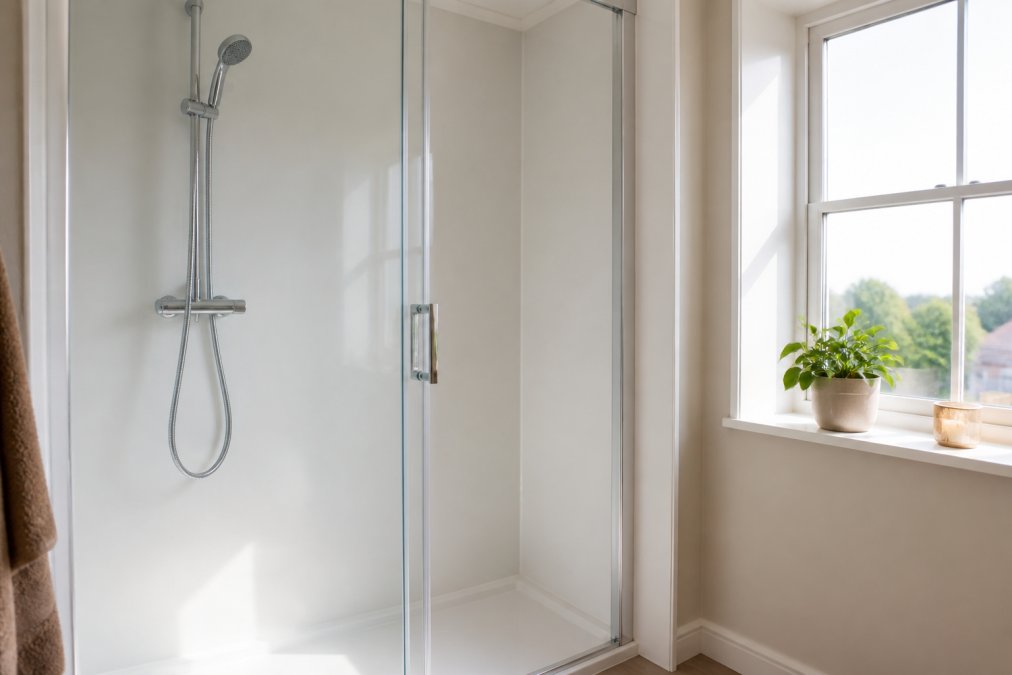
Check for condensation pooling on horizontal surfaces or ledges and wipe it away immediately. In particularly humid bathrooms, a small dehumidifier running for 30 minutes after showers significantly reduces moisture levels.
Removing Limescale and Water Spots
Hard water deposits are the most common complaint about bathroom wall panels. These white, chalky marks appear where water droplets have dried, leaving mineral residue. They're unsightly but entirely removable and preventable.
For light water spots, your daily drying routine prevents them entirely. If spots have already formed, white vinegar is remarkably effective. Mix equal parts white vinegar and warm water in a spray bottle, spray the affected area, let it sit for 10-15 minutes, then scrub gently with a soft cloth. Rinse thoroughly and dry immediately.
For heavier limescale buildup, use a commercial descaler labelled as safe for bathroom fixtures and non-porous surfaces. Never use abrasive scouring pads or powders; these scratch the panel surface permanently. In hard water areas, consider a weekly vinegar treatment to prevent heavy deposits.
Maintaining Silicone Sealants and Joints
Silicone sealants seal joints where panels meet walls, floors, and each other, preventing water from penetrating behind the panels. Inspect your sealants monthly for discolouration, cracks, separation from the panel edge, or shrinkage. Early detection means a simple resealing job rather than water damage.
When resealing is necessary, remove the old sealant completely with a utility knife. Clean the joint thoroughly with mild detergent and allow it to dry completely. Apply new silicone sealant using a caulking gun, working smoothly along the entire joint, then smooth the bead with a wet finger.
The GP200 General Purpose Silicone Sealant (Pack of 3) at £24.00 is reliable for resealing work. Its fungicide content provides ongoing mould resistance and it cures to full strength within 24 hours. Clean sealants regularly as part of your weekly routine using a soft brush and mild detergent. Never use bleach or harsh chemicals on silicone. With proper maintenance, quality silicone sealants last 5-10 years before requiring replacement.
Repairing Scratches on Bathroom Wall Panels
For very light surface scratches, clean the area thoroughly, then apply a small amount of clear silicone sealant into the scratch using a fine applicator. Smooth it level with the panel surface and allow it to cure.
Deeper scratches that expose the base material require sanding the scratched area smooth, then applying touch-up paint matching your panel colour. Test any paint on an inconspicuous area first.
For significant damage, replacement of that section may be necessary. Wetwall Wonders offers many panel sizes including 250mm, 300mm, 500mm, and 900mm options, as well as specialised products like Dumawall tile effects and Linerio slatwall. Having a supplier who stocks the exact styles you originally purchased makes repairs straightforward.
What to Avoid: Protecting Your Panel Finish
Never use bleach on PVC bathroom panels. Bleach discolours and degrades PVC plastic, leaving permanent stains and weakening the material over time.
Avoid abrasive scouring pads, powders, or steel wool. These scratch the panel surface, creating dull patches and removing the protective gloss finish. Stick to soft cloths and non-abrasive sponges.
Don't use harsh chemical degreasers or solvents. Products containing acetone, mineral spirits, or strong solvents can soften or dissolve PVC. If a product isn't specifically formulated for PVC or composite panels, assume it's too aggressive.
Never apply excessive heat directly to panels. Hairdryers on high heat, steam cleaners, or hot objects can warp or discolour PVC. Similarly, avoid direct sunlight for extended periods; UV exposure can fade panel colours over time.
Don't ignore small problems. A small area of mould, a developing crack in sealant, or early water damage will worsen rapidly if left untreated. Address issues as soon as you notice them.
Long-Term Panel Care and Durability
Establish a maintenance schedule and stick to it. Daily wipe-downs take minutes but prevent most problems. Weekly deep cleaning removes buildup before it becomes stubborn. Monthly inspections catch small issues before they become expensive repairs.
Keep your bathroom well-ventilated. Good air circulation reduces the overall moisture load on your panels and prevents sealant degradation. A properly functioning extractor fan is one of the best investments for panel longevity.
Document your panel specifications and keep records of repairs or sealant replacements. Note the panel brand, style, and colour. This information becomes invaluable if you need to match panels or materials years later.
Quality installation matters enormously for long-term durability. Panels installed with proper adhesives, sealed correctly at all joints, and with adequate substrate preparation last significantly longer. If planning a bathroom renovation, invest in quality materials like those supplied by Wetwall Wonders, including our 10 mm internal corner trim (white) at £12.00.
Replace sealants proactively rather than waiting until they fail completely. A sealant that's been in place for 5-7 years should be considered for replacement even if it looks acceptable. New sealant is inexpensive compared to repairing water damage.
Your bathroom wall panels will perform well for 10-15 years or longer with consistent maintenance. By following a straightforward maintenance routine and addressing small issues promptly, you'll keep your panels looking fresh and functioning perfectly for years to come.
Bathroom wall panels are a practical, attractive solution for modern bathrooms, but they only stay that way with proper maintenance. The routine outlined, daily wipe-downs, weekly deep cleaning, and monthly inspections, takes minimal time and prevents almost every common problem. When you need quality adhesives, sealants, and replacement materials, Wetwall Wonders supplies everything required to keep your panels in perfect condition.
Frequently Asked Questions
Q: What's the best way to clean bathroom wall panels without damaging them?
A: Use warm soapy water with mild washing-up liquid and a soft microfiber cloth or non-abrasive sponge. Wipe panels daily after showering to prevent water spots and limescale buildup. For stubborn stains, apply the soapy solution, let it sit for 5 minutes, then rinse thoroughly with clean water and dry with a soft cloth. Avoid bleach, scouring pads, and abrasive cleaners, as these damage the surface finish of PVC wall panels.
Q: How do I prevent mould on shower wall panels?
A: Mould thrives in damp conditions, so ensure proper ventilation by running an extractor fan during and for 20 minutes after showers. Wipe down panels and silicone sealants daily to remove moisture. Use a silicone sealant with fungicide, like the GP200 General Purpose Silicone Sealant, which contains mould-resistant properties. Check sealants monthly for signs of mould growth and replace them if discolouration appears.
Q: Can I repair minor scratches on bathroom wall panels myself?
A: Minor surface scratches on PVC panels can be minimised with careful cleaning and polishing. For deeper scratches, use a plastic repair pen or touch-up kit matching your panel colour. For significant damage affecting panel integrity or waterproofing, the affected panel should be replaced to prevent water ingress. Most scratches are cosmetic and won't affect performance, but addressing them early prevents dirt accumulation in damaged areas.
Q: How long do bathroom wall panels typically last with proper maintenance?
A: Well-maintained PVC bathroom wall panels last 15-20 years or longer. Durability depends on consistent care: daily wiping, weekly deep cleaning, proper ventilation, and prompt sealant maintenance. Silicone sealants around joints typically need replacing every 5-7 years. Regular maintenance prevents water damage, mould, and deterioration, significantly extending panel lifespan.
This article was written using GrandRanker

