
Modern Wall Paneling for Residential Projects: A 2026 Guide
Table of Contents
- Why Modern Wall Paneling Transforms Residential Spaces
- Materials That Define Modern Wall Paneling
- How to Install Slat Wall Panels: A DIY Walkthrough
- Cost of Wall Paneling Per Square Metre and Budget Planning
- Where to Buy Bathroom Wall Panels Online
- Design Trends and Aesthetic Inspiration for 2026
- Maintenance, Durability, and Long-Term Performance
- Frequently Asked Questions
Last Updated: September 1, 2026
Why Modern Wall Paneling Transforms Residential Spaces
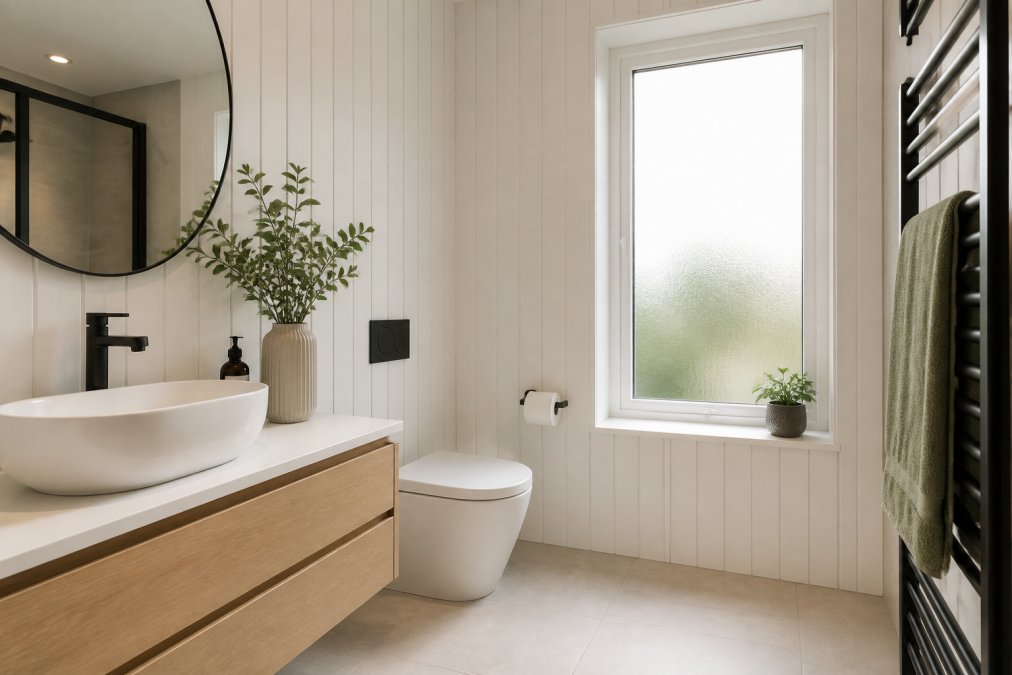
Modern wall paneling offers homeowners a clean aesthetic that refreshes interiors without the mess and cost of traditional renovation. Unlike dated tile or painted drywall, contemporary panels hide imperfections, improve acoustics, and deliver thermal benefits depending on material choice. The real advantage extends beyond aesthetics: these systems address moisture resistance in bathrooms, sound dampening in open-plan homes, and thermal efficiency in garden rooms. A single material choice solves multiple problems at once.
Materials That Define Modern Wall Paneling
The material you choose determines durability, maintenance requirements, aesthetic impact, and installation complexity.
PVC and Composite Panels
PVC panels dominate wet areas because they resist moisture without warping or degrading. Installation is straightforward; most homeowners manage it without specialist help using adhesive or mechanical fixings. One critical detail: PVC expands and contracts with temperature, so leave 3-5mm gaps during installation to prevent buckling.
Maintenance is minimal. PVC wipes clean with a damp cloth and mild detergent. Unlike tile grout, there's no porous material trapping mould. The Thermo-Slat Smoke Grey PVC Slat Panel from Wetwall Wonders combines moisture resistance with thermal insulation, delivering both function and appearance.

MDF and Engineered Wood
MDF offers a softer, more timber-like aesthetic than PVC and accepts paint easily for custom finishes. However, MDF absorbs water, making it unsuitable for bathrooms unless sealed professionally. For bedrooms, living rooms, and hallways, MDF delivers excellent value.
Engineered wood offers a middle ground. These panels use plywood or veneer over a composite core, improving moisture resistance compared to solid MDF. They handle occasional splashes better whilst costing less than solid timber. The Linerio L-Line series from Wetwall Wonders delivers authentic timber aesthetics in engineered wood, available in white, grey, and anthracite at £30 per panel. Each panel measures 2650mm long with 122mm width and 21mm thickness, proportions that suit most residential spaces. Engineered alternatives require only regular dusting and occasional wiping, making them practical for busy households.
Slatted Timber and Fluted Designs
Slatted timber panels define contemporary interiors. Vertical slats create visual interest across multiple design styles, with spacing affecting both aesthetics and acoustic performance. Fluted designs (vertical grooves) add texture and catch light differently throughout the day, creating subtle visual depth.
How to Install Slat Wall Panels: A DIY Walkthrough
Installation difficulty depends on wall condition and chosen materials, but most homeowners complete projects without professional help. Preparation is critical; rushing this stage causes failures that cost far more to fix.
Surface Preparation and Planning
Assess your wall first. It needs to be clean, dry, and reasonably flat. Remove existing tile, wallpaper, or loose paint; adhesive won't bond to unstable surfaces. Measure your wall height and width accurately. Most panels are 2650mm tall, working for standard ceiling heights (2400-2700mm) with minimal cutting.
Mark a level starting line using a spirit level as your reference for the first panel row. Check wall flatness with a long straightedge. Small bumps (under 5mm) won't cause problems; larger irregularities need addressing through sanding or shimming. This step separates professional-looking installations from amateur ones.
Adhesive Application and Mounting
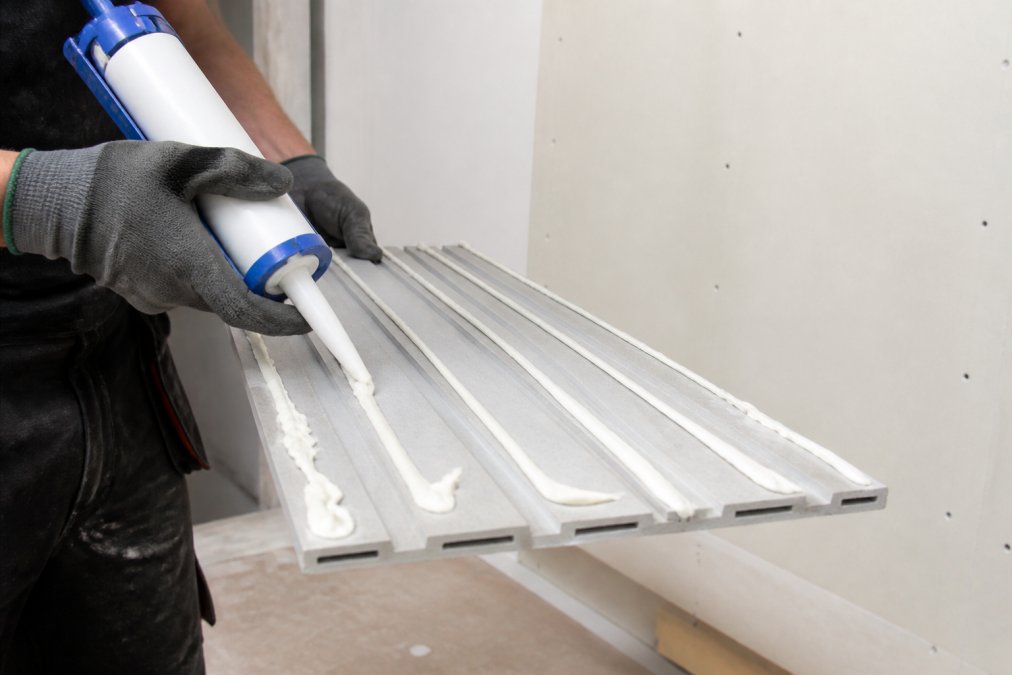
Choose adhesive rated for your panel material and wall type. PVC panels typically use polyurethane construction adhesive or specialist panel adhesive. Apply adhesive in a continuous bead around the panel perimeter, then add three vertical beads down the centre for full contact without excess squeeze-out.
Press the panel firmly against the wall, starting at the top and working downward. Check alignment with a level as you work. Allow adhesive to cure fully (typically 24-48 hours) before applying finishing touches. Rushing this stage is the most common cause of panel failure.
Finishing Touches and Sealing
Once adhesive cures, seal joints between panels and at wall edges using silicone sealant rated for wet areas (bathrooms) or standard decorator caulk (dry areas). Silicone remains flexible as panels expand and contract. Apply in a continuous bead and smooth with a wet finger for a professional finish.
Pay particular attention to corners and floor junctions in bathrooms, where water collects. Trim pieces in matching colours hide raw panel edges and finish the installation.
Cost of Wall Paneling Per Square Metre and Budget Planning
PVC panels typically range from £15-35 per square metre depending on thickness and finish. Installation accessories add £5-10 per square metre. For a standard bathroom (8-10 square metres), expect material costs around £160-350.
MDF and engineered wood panels cost £20-40 per square metre for mid-range quality. Premium engineered wood reaches £50+ per square metre. Slatted timber and fluted designs command £30-60 per square metre. Linerio panels at £30 per panel work out to approximately £22-28 per square metre, positioning them competitively for engineered timber aesthetics without maintenance burden.
Installation labour adds £20-40 per square metre if hiring professionals, though many homeowners complete projects themselves to save cost.
Where to Buy Bathroom Wall Panels Online
Finding a reliable supplier matters because quality varies enormously. You need a supplier stocking installation accessories alongside panels, so you're not sourcing adhesive and silicone from multiple places.
Wetwall Wonders provides a complete solution: panels, installation materials, and specialist advice in one place. Their range includes PVC options like the Thermo-Slat Smoke Grey PVC Slat Panel, engineered timber alternatives such as Linerio L-Line panels in multiple colours, and comprehensive installation accessories. What distinguishes Wetwall Wonders is the integrated approach, rather than assembling orders from multiple suppliers, you receive everything needed: panels, adhesive, silicone, trims, and installation guidance.

When comparing suppliers, verify they stock installation accessories. Many online retailers sell panels only, forcing you to source materials elsewhere. Suppliers offering complete solutions deliver better value despite potentially higher per-panel pricing. Check warranty terms carefully; reputable suppliers stand behind their products with guarantees covering manufacturing defects.
Design Trends and Aesthetic Inspiration for 2026
Modern wall paneling has evolved into a design statement reflecting broader shifts toward sustainable materials, minimalist aesthetics, and spaces that work harder through clever design.
Scandinavian and Contemporary Styles
Scandinavian design dominates 2026 residential trends, and wall paneling fits perfectly. The style emphasises clean lines, neutral colours, and functional beauty. Vertical slat panels in white or light grey embody this aesthetic. Contemporary interiors embrace bold colour choices: anthracite grey, deep charcoal, and muted sage tones appear in feature walls. Linerio L-Line panels in white, grey, and anthracite suit both approaches.
Feature Walls and Geometric Patterns
Feature walls have become standard in residential design. Rather than paneling entire rooms, homeowners panel one wall to create a focal point, reducing material cost and simplifying installation. Geometric patterns emerge through panel arrangement, mixing orientations (vertical, horizontal, diagonal) creates visual complexity without additional materials.
Wet Area Applications and Moisture Resistance
Bathrooms increasingly feature wall paneling instead of traditional tile. PVC panels offer superior moisture resistance, easier maintenance, and contemporary aesthetics. Moisture-resistant engineered panels extend options beyond pure PVC, handling humidity without degrading. Garden rooms benefit from thermal insulation properties of panels like Thermo-Slat, improving year-round usability.
Maintenance, Durability, and Long-Term Performance
Wall paneling durability depends on material choice, installation quality, and maintenance approach.
PVC panels require minimal maintenance. Regular dusting and occasional wiping with a damp cloth keeps them fresh. In bathrooms, wipe down after showers to prevent water spots. Inspect silicone joints annually and reapply if cracks appear.
MDF and engineered wood need more attention. Dust regularly and wipe with a slightly damp cloth, never saturate. If painted or stained, inspect the finish annually and touch up chips promptly. Engineered panels like Linerio require only dusting and occasional wiping.
Solid timber needs annual sealing or staining. Most installations last 15-20 years with minimal intervention; failures typically result from poor initial installation or inadequate sealing rather than material degradation (peer-reviewed research on material degradation). Thermal insulation and acoustic benefits remain constant throughout the panel lifespan.
Modern wall paneling solves genuine problems in residential spaces: moisture damage in bathrooms, sound transmission in open homes, and dated aesthetics. The range of materials means there's a solution for every budget and application. Wetwall Wonders supplies everything you need, from PVC panels for wet areas to Linerio engineered timber for living spaces, alongside installation materials that ensure professional results. Get started with Wetwall Wonders and transform your space with durable, stylish wall solutions that actually perform.
Frequently Asked Questions
Are modern wall panels suitable for bathrooms and wet areas?
Yes, modern wall panels designed for bathrooms use moisture-resistant materials like PVC and composite panels. Proper adhesive application and silicone sealing are essential to prevent water infiltration. Products like the Thermo-Slat Smoke Grey PVC Slat Panel (£24.00) offer excellent moisture resistance. Always ensure surface preparation is thorough and use quality silicones to create a waterproof seal around all edges and seams.
How do I know which panel size works best for my small ensuite?
Panel widths of 250mm and 300mm are ideal for compact spaces as they minimise awkward seams and gaps. Measure your wall height and width first, then calculate how many panels you'll need. Vertical slat panels create an illusion of height, making narrow rooms feel larger. Consider the panel length (typically 2650mm) and plan your layout to avoid excessive cutting at edges.
What is the typical cost of wall paneling per square metre?
Costs vary by material. PVC and composite panels typically range from £15 to £35 per square metre, while engineered wood panels cost £20 to £45 per square metre. Slatted timber options vary more widely depending on quality. Installation materials (adhesives, silicones, trims) add £5 to £15 per square metre. Budget for professional installation if needed, which typically costs £30 to £60 per square metre depending on complexity.
How do I buy bathroom wall panels online and ensure I get everything I need?
When buying bathroom wall panels online, choose suppliers offering complete kits with panels, adhesives, silicones, and trims included. Wetwall Wonders provides a comprehensive range including Linerio L-Line panels (£30.00) with matching trims and all necessary installation accessories. Calculate your square meterage, add 10% for waste, and verify that your supplier stocks the exact trim styles and adhesive types you need before checkout to avoid multiple orders.
This article was written using GrandRanker

